

5 Key Factors Influencing Weigh Scale Accuracy
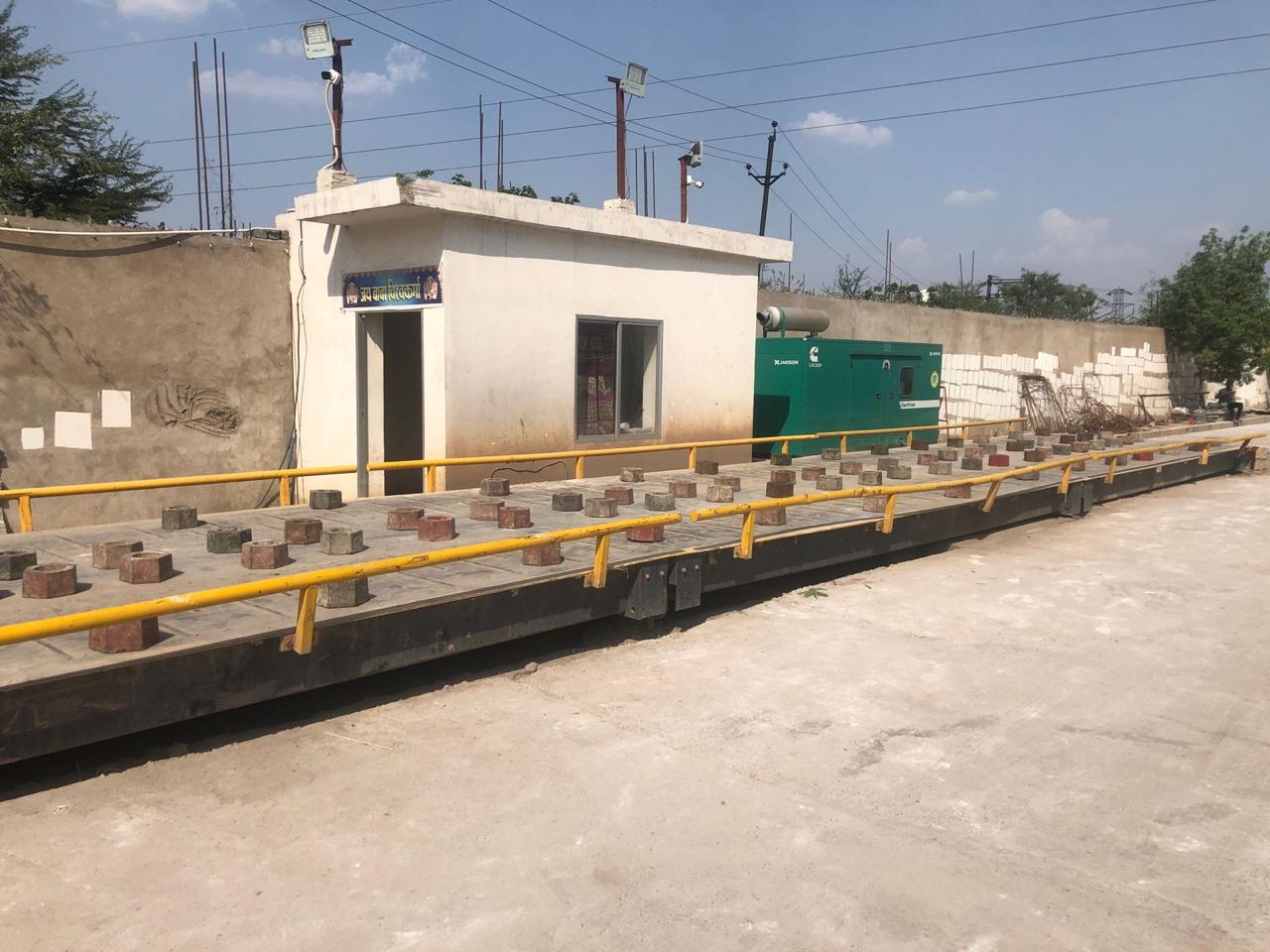
At Digiweigh Pvt. Ltd., we recognize that a reliable and precise weighing system is at the core of many businesses. Whether you’re managing logistics, manufacturing, or industrial processes, the accuracy of your weigh scale directly impacts your efficiency and profitability.
Even the most advanced weighing systems are influenced by various factors. By understanding these factors, you can optimize your weighing operations and maintain accuracy in diverse environments. Here’s a detailed look at what can affect your scale’s performance.
1. Precision of Load Cells
The load cell is the cornerstone of any digital weighing system.
As a transducer, it converts mechanical force into an electrical signal. For example, in a compression load cell (commonly used in truck scales), the cell compresses under weight, generating an output signal proportional to the applied load. This signal is then processed to display an accurate weight measurement.
However, a malfunctioning or misaligned load cell can disrupt readings. Key factors to monitor include:
Response Time: Quick successive weightings without allowing the load cell to stabilize can lead to errors.
Nonlinearity: Deviations in the load cell’s performance from a linear calibration can impact measurements.
Creep: Weight readings may change over time if a load remains stationary on the cell for extended periods.
Hysteresis: Differences in output when measuring the same load, depending on whether the load is increasing or decreasing, can introduce inaccuracies.
Temperature Fluctuations: Significant temperature changes can alter the load cell’s performance.
2. Scale Loading Practices
Improper loading practices often result in inaccurate readings. Here are common concerns to address:
Ensure the foundation beneath the scale is robust enough to handle the weight of the scale, its components, and the load without flexing.
Properly align loads to prevent side forces that may skew readings.
For vehicle scales, instruct drivers to approach slowly to avoid abrupt weight shifts.
Regularly inspect mounting hardware to ensure it’s functioning correctly.
Use cross-bracing on systems with less rigid supports to reduce side-load impacts.
3. Environmental Influences
The surroundings of your weighing system can play a significant role in its accuracy. Watch out for:
Vibrations: Equipment operating nearby can cause vibrations that interfere with sensitive measurements.
Shock Loading: Dropping heavy loads onto the scale can exceed its maximum capacity, potentially damaging the load cells.
Dirt and Debris: Accumulation on the scale platform or underneath can block the load cells from receiving the full weight, leading to inaccurate readings.
Wind or Air Currents: Strong winds or even air conditioning drafts can affect scales, especially those with high sensitivity.
Pressure Variations: Differences in air pressure between calibration and operational environments may alter scale performance.
4. Usage and Maintenance
Frequent usage without proper care can reduce the lifespan and reliability of your weigh scale. To avoid inaccuracies:
Regularly clean the scale to prevent debris from obstructing its components.
Train operators on correct usage practices to minimize user errors.
Schedule routine inspections to identify wear and tear before it causes system failures.
5. Electrical and Signal Interference
As digital weighing systems rely on electrical signals for accurate weight readings, interference during this process can be problematic. Common issues include:
Moisture Build-Up: Condensation or water exposure can affect the electrical components, distorting the signal.
Temperature Variations: High temperatures can increase wire resistance, reducing signal strength and causing inaccurate readings.
Ensuring Accuracy with Digiweigh Pvt. Ltd.
At Digiweigh Pvt. Ltd., we specialize in delivering high-performance weighing solutions designed for precision and durability. With our state-of-the-art equipment, expert support, and comprehensive maintenance services, we help businesses achieve optimal accuracy and reliability in their weighing operations.
If you have questions or need assistance with your weighing systems, our team is here to help. Contact Digiweigh Pvt. Ltd. today to learn more about our products and services.
Call Us Today
📞 Toll-Free: +91-9238889001
📧 Email: sales@digiweigh.in


